The entryway drop zone: stop clutter at the front door
Most household clutter enters through one door, in two hands. A proper drop zone — hooks, a tray, and a home for shoes — catches it at the threshold, before it spreads across the kitchen table and the couch arm.
At a glance
| Product | Best for | Price | Warranty |
|---|---|---|---|
| Grid Wall Panel Towers (2-Pack) | Real supplier stock — ships in 8–15 days | € 99.95 | 2 years |
| Double-Rod Closet Rack & Coat Hanger | Real supplier stock — ships in 8–15 days | € 45.95 | 2 years |
| Decorative Storage Tray | Real supplier stock — ships in 8–15 days | € 17.95 | 2 years |
| Foldable Storage Box with Handle | Real supplier stock — ships in 8–15 days | € 14.95 | 2 years |
Why every home needs one
Keys on the counter, bag on a chair, jacket over the banister, shoes in the walking path: entryway clutter is not a discipline problem, it's a missing-infrastructure problem. There's simply nowhere official for the daily-carry to land, so it lands everywhere. A drop zone is that official somewhere: within two steps of the door, one spot per category — hang, drop, park. Homes with a real drop zone don't look tidier because the people changed; they look tidier because the stuff stopped travelling past the hallway.
Hang: bags, jackets and the grid trick
The daily jacket and bag need hooks — not hangers, not a closet, hooks. Closets are for the coat rotation; the daily two need zero-friction hanging or they end up on chairs. A leaning grid tower makes this renter-proof: hooks clip in at any height (kid-height included), plus a small basket for gloves and sunglasses. The Grid Wall Panel Towers stand against the hallway wall without drilling and grow with the season — more hooks in winter, a shelf for sunscreen in summer. A double-rod rack does the heavier version where a whole family's coats need a home.
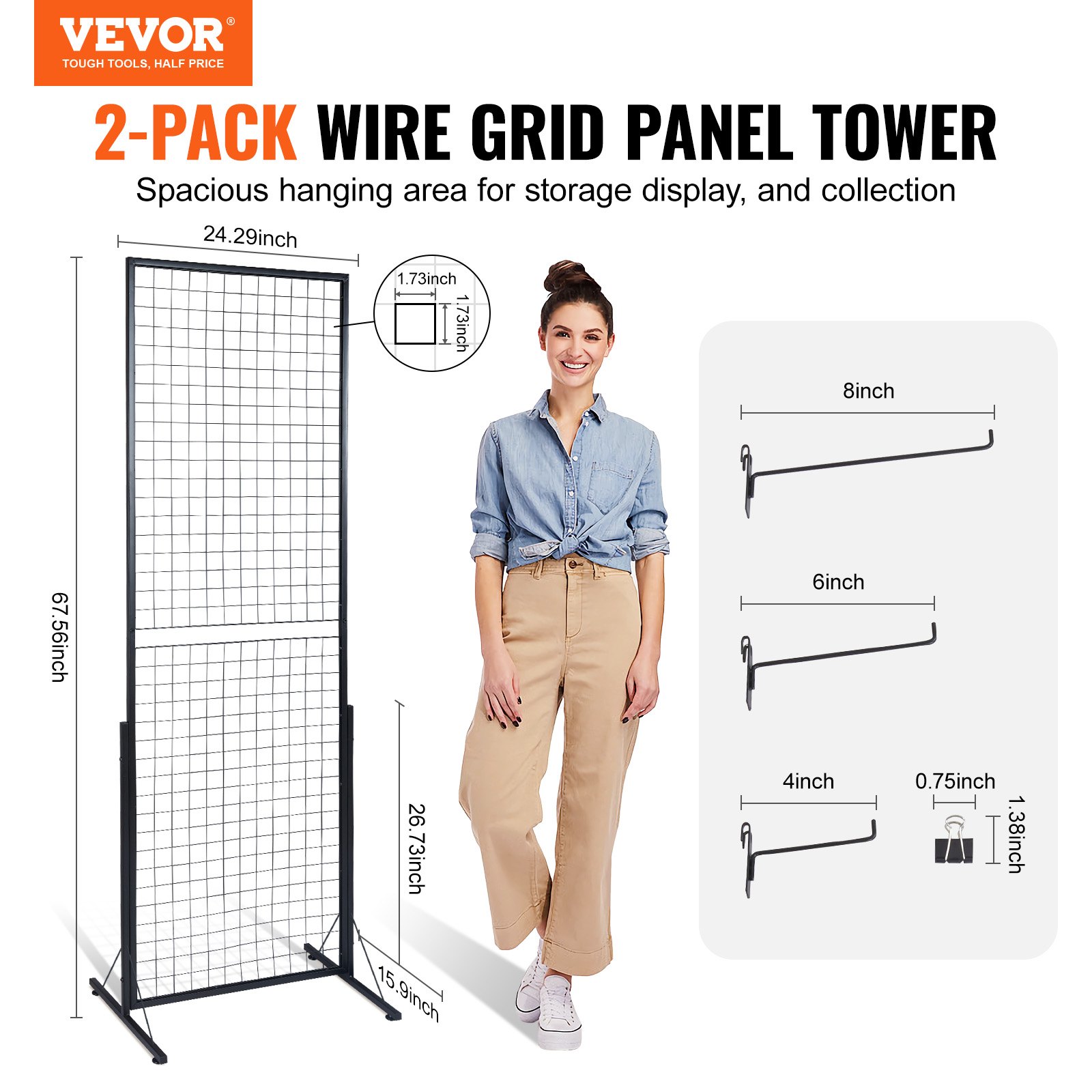
Grid Wall Panel Towers (2-Pack)
Real supplier stock — ships in 8–15 days
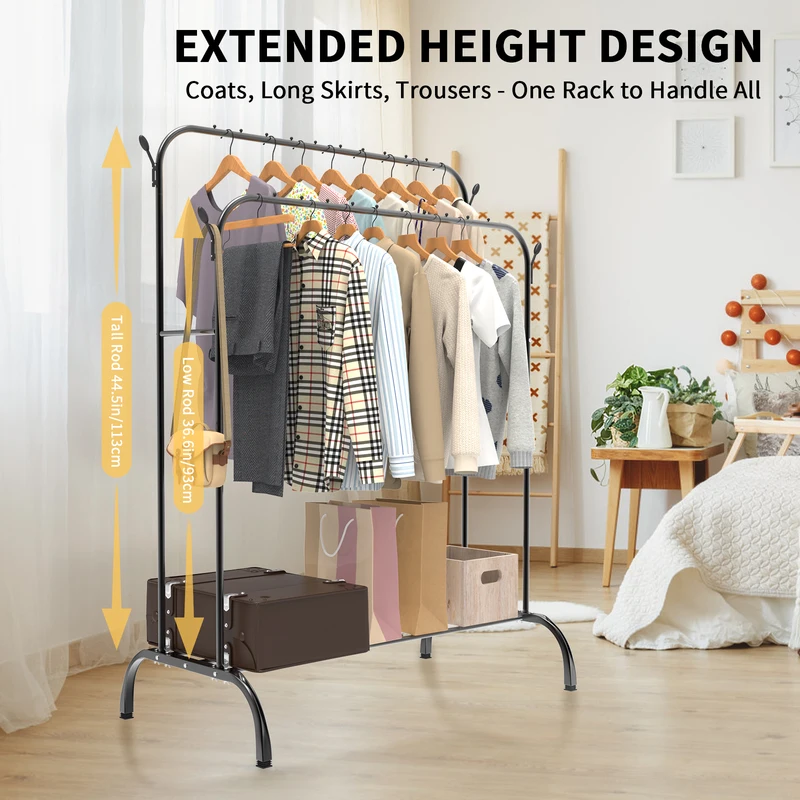
Double-Rod Closet Rack & Coat Hanger
Real supplier stock — ships in 8–15 days
Drop: the pocket tray
Keys, wallet, earphones, badge: the pocket-emptying ritual needs one tray, at hand height, right where you enter. This single object ends the daily where-are-my-keys search — keys aren't lost when they only ever land in one place. The Decorative Storage Tray is exactly this: shallow enough to see everything, good-looking enough to live in sight. One per adult prevents the couple's-keys-tangle, and phone chargers can live under it for an instant charge-station.

Park: shoes and the overflow box
Shoes multiply at the door. The workable rule: the rack holds each person's two current pairs, everything else lives with the wardrobe. A fold-flat box on the rack's bottom or a shelf above handles the seasonal overflow — scarves in summer, caps in winter. The Foldable Storage Box with handle is made for exactly this rotating duty. Weekly reset: thirty seconds on the way out with the recycling — stray shoes back to their owner, tray emptied of receipts, done. The door stays a door, not a filing system.
FAQ
What makes a good entryway drop zone?
Three functions within two steps of the door: hooks for the daily jacket and bag, a tray for keys and pocket contents, and a rack or shelf for current shoes. One official landing spot per category stops clutter travelling into the house.
How do I stop losing my keys?
Give them exactly one landing place: a tray by the door, used every single time you enter. Keys get 'lost' when they have several possible homes — one tray ends the search permanently.
How many shoes should live at the front door?
Two current pairs per person on the rack; the rest lives with the wardrobe. A fold-flat overflow box handles the seasonal rotation without turning the hallway into shoe storage.
Can I build a drop zone in a rental without drilling?
Yes — a leaning grid tower gives clip-in hooks and baskets, a freestanding rack takes coats, and the tray needs no installation at all. Everything stands or leans; nothing touches the wall.